


Whether you’re looking to restore your old gardening tools, or you just want to take the best care of your equipment, having an idea of how to clean old garden tools is a must for anyone that enjoys an afternoon in the backyard.
There’s no two ways about it – gardening tools that are well looked after are always going to perform better and last longer. Understanding how to clean garden clippers or how to restore garden shears is ideal for increasing the performance and longevity of your tools and can reduce the risk of infection and disease in your garden. Before we jump into how to clean and maintain your garden equipment, let’s look at the benefits that come with clean tools.
The Benefits of Clean Garden Tools
Less Disease: When tools are blunt, rusty, or old, they do not function as well. Impaired function and use can negatively impact your plants. Less precise cuts from dull blades take longer to heal and can increase the risk of infection or disease to your plants.
Better Performance: Clean, sharp, and properly maintained tools will be easier to handle and use over extended periods and reduce physical strain.
Safer Use: Sharp and rust-free tools also make gardening safer. Accidents and injuries can quickly occur when tools are dirty, faulty, and inadequately maintained.
Longer Lifetime: A little bit of love and care for your tools will go a long way. By protecting your tools from wear and tear and keeping them rust-free, you won’t have to worry about replacing them for years to come.
How To Clean Old Garden Tools: The Basics
Although you may have a wide range of garden tools with different uses, the basics of how to clean old garden tools and looking after various pieces of equipment, will be relatively similar.
When it comes to your gardening equipment, debris and gunk will build up over time if not cleaned off consistently. As dirt and gunk build up, springs, hinges and other joints or bolts will stiffen up and degrade. Additionally, as most gardening tools are made of metal, rust reduction and protection are crucial.
Many of your garden tools are used for cutting – maintaining your tools also means keeping the blades sharp and clean. As such, knowing how to keep old garden tools clean requires protection from rust and keeping them sharp. Let’s delve further by taking a look at how to clean garden clippers:
How To Clean Garden Clippers
Blunt, rusty and dirty garden clippers are a common headache with both professional and hobby gardeners. Clippers that are stiff and don’t close properly can be a real hassle. This often results from a lack of care – thankfully, this can be easily remedied!
Cleaning Dirt and Gunk
Cleaning dirt and grime build up is the first step in learning how to clean old garden tools. Whether your garden tools are old and in the back of the shed, or in constant use, the first thing you need to do is clean off the dirt and gunk that has built up over time.
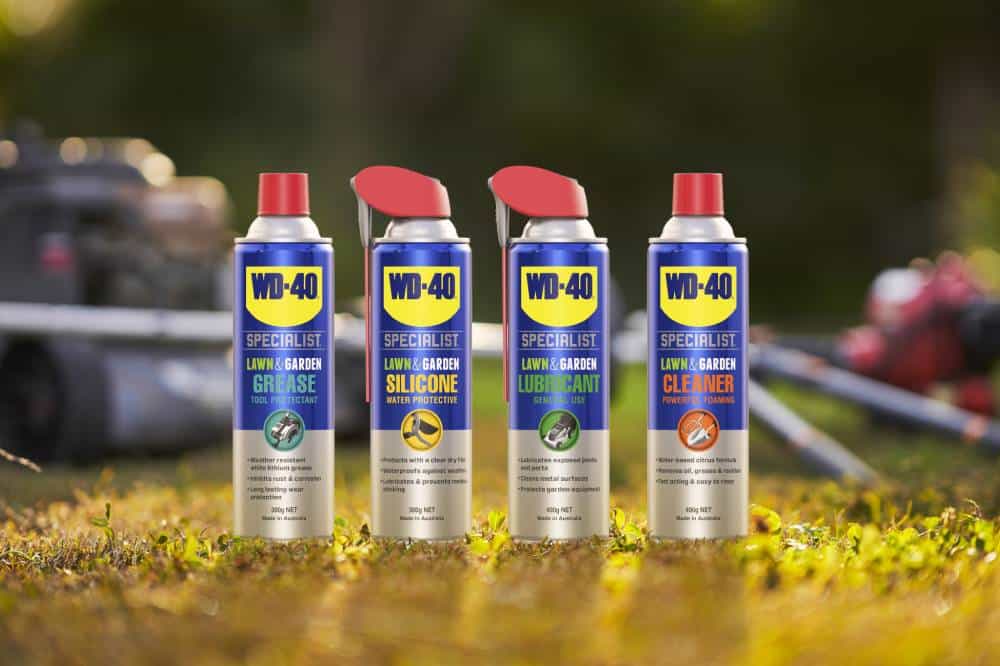
The easiest way to clean your tools is to grab a tool cleaner, warm water and get scrubbing. If you are looking for the best gardening tool product, WD-40 Powerful Foaming Cleaner is designed to remove plant residue, sap, and grass clippings with its foaming action. Once you have given your tools a good wash, makes sure you get stuck into them with a brush or something similar. Scrubbing brushes are great at getting into the stubborn build-up and hard to reach joints and hinges.
For a more thorough clean, it can also be a good idea to disassemble the clippers and get into all the parts individually.
Once clean, use a lubricant like WD-40’s Specialist Lawn & Garden Lubricant to keep your clippers functioning smoothly.
Removing & Preventing Rust
For many, cleaning up rusty tools may seem like a daunting task – but it’s a necessary one! Do not fear; this guide for how to clean old garden tools will provide some quick, easy and reliable tips for getting stuck into rust.
Light Rust Build-up: If you can see a bit of rust build-up, grab a scourer or steel wool and your WD-40 foaming cleaner to clean the affected areas.
How to clean garden clippers with a lot of rust: Soak in WD-40 Multi-Use Product and brush off the surface rust. Once they are dry and clean, you can spray the blades with Tool Protectant Grease to protect them from further rust. Here at WD-40, we have developed a specialist water protective silicone that will provide maximum water protection for your blades.
How to Restore Garden Shears
Restoring garden shears follows much the same process as how to clean old garden tools like clippers. First, we are going to give them a good clean. Grab your warm water, WD-40 powerful foaming cleaner and scrubbing brushes to get stuck into all that build up and get them clean. The process of how to restore garden shears will often require you to take them apart, especially if it has been a while since they received any attention.
Telescopic Handles
If your shears or any other type of gardening tools have telescopic handles, it is important to keep them well lubricated so they don’t stiffen up. A product like WD-40 General Use Lubricant can be easily applied in the gaps between the handles. Once the lubricant has been applied, move the handles up and down to ensure an even application.
Sharpening the Blades
Knowing how to clean old garden tools also involves sharpening the blades. However, before you focus on sharpening the blade, make sure you have thoroughly cleaned the blades from dirt and rust with the foaming cleaner and lubricated all necessary parts. This is one of the last steps for how to restore garden shears.
When sharpening the blades, the tool must be secured in a vice, clamp or something else that will safely hold it in place. The two most accessible options when sharpening your blades would be using a grindstone or file. Both can be sourced from your local hardware store. All you have to do is run them along the bevelled edge of the tool. This method can be used for all your garden tools, such as trowels, spades, and clippers.
Protecting your Sharpened Blades
Once you have finished sharpening your blades, it is vital to keep them sharp and protect them from moisture. Grab a cloth and WD-40 Water Protective Silicone for a protective layer to keep your tools sharp and moisture free.
A Heavy-Duty Product for Heavy Duty Parts
Once you know how to clean old garden tools you will want to keep them protected from the elements in between uses. WD-40 have developed a Tool Protectant Grease as part of their lawn and garden specialist range. This spray-on formula provides protection for heavy-duty tools. Our protective grease is suitable for use on lawn mowers, soil cultivators, wheelbarrow bearings and tow bars to keep them protected all year round.
Look After Your Tools With WD-40 Specialist Lawn and Garden
So, now you know how to clean garden clippers and how to restore garden shears, choose the WD-40 Specialist Lawn and Garden range with the best products for keeping your tools clean, lubricated, and protected from the elements all year round. For more information on where to purchase our specialist products, head into participating stores today or visit our product page online.
