

How To Stop Your Locks From Freezing
As winter approaches, you may be thinking more about how to protect your valuables as the cold weather sets in. This time of year, the most likely instance to accrue is damaged your home and possessions. Winter is coming! Learn how to stop locks from freezing!
Things you will need
Dishcloth

Step 1
Make your padlock spick-and-span
After a long-dormant period, your padlock may have accumulated a layer of dirt and dust. Although this may seem harmless, it can damage the padlock. To do this, use a clean dishcloth to wipe over the whole surface of the lock.
Tip: Wear gloves while undertaking this task as it is a chemical product with solvents in it which can remove the fats in skin causing them the dry out and crack.
Step 2
Preparation is key
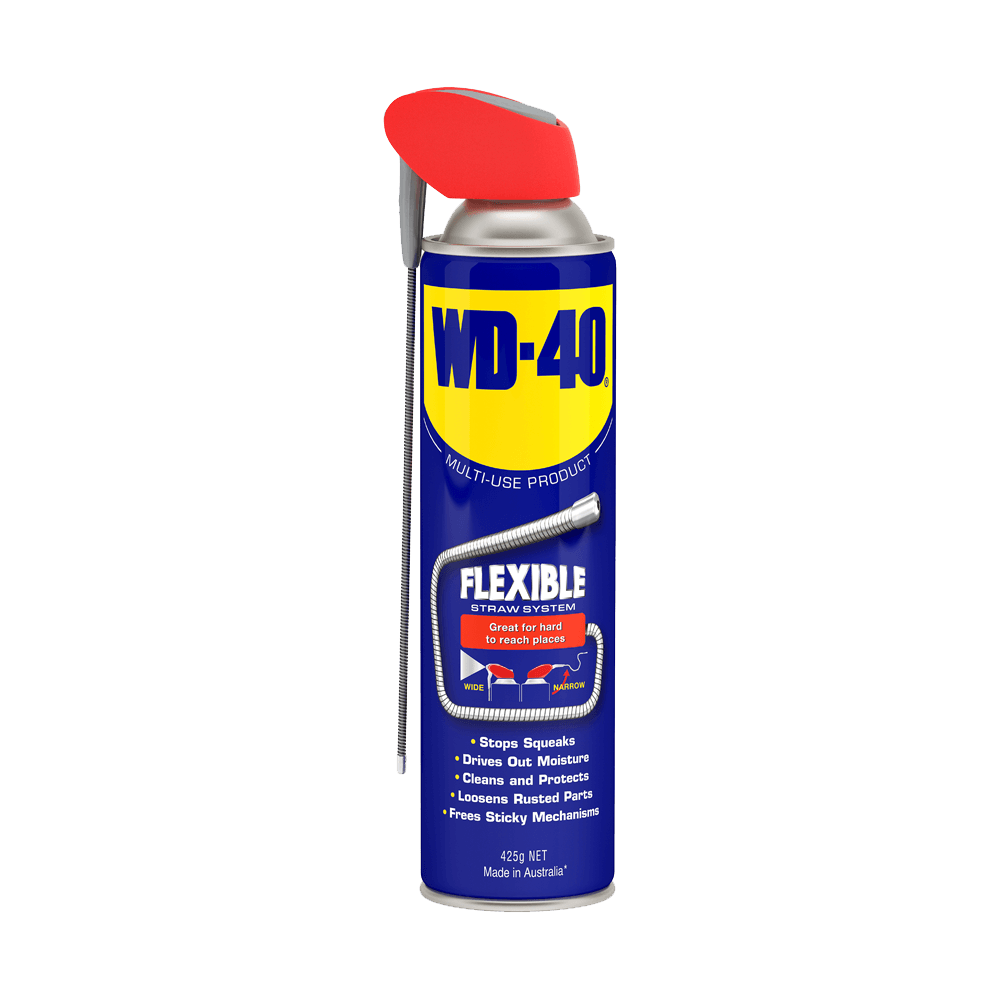
Before jumping in, you’ll need to accumulate all the materials you’ll need to stop locks freezing. Pick up your previously used dishcloth along with your handy WD-40 Multi-Use Product.
Step 3
Stop locks freezing with some WD-40 Multi-Use Product
To begin with, tilt your padlock where you have clear view of the lock mechanism, comfortably grip your WD-40 Multi-Use Product and spray a small amount. This will coat the metal components to deter moisture from gathering or pooling, allow a few seconds for the solution to set in.
Step 4
The finishing touches
Now that you’ve applied your WD-40 Multi-Use Product, it’s time to clean up. Pick up your dishcloth and wipe down excess solution that is covering the lock. When you have spruced up your padlock you’ll find that you have now prevented locks freezing for the winter.
JOB DONE!
So, there you have it, the easiest way to protect your locks! If you found this handy guide useful, check out our other blogs to find out more ways that WD-40 can help you in your everyday life.
The uses shown and described for WD-40 Multi-Use Product were provided to WD-40 Company by the users themselves. These uses haven’t been tested by WD-40 Company and do not constitute a recommendation of suggestion for use by WD-40 Company. Common sense should be exercised whenever using WD-40 Company products. Always follow the instructions and take heed of any warnings printed on the packaging.