
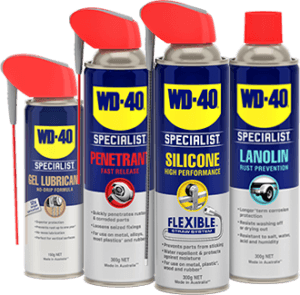


A common question our customers ask us is, “what is silicone lubricant?”. Silicone lubricant is a product that helps objects affected by rust or stiffened over time to move more freely by reducing the friction from surface to surface. Dry lubricants contain lubricating particles such as graphite, PTFE or molybdenum disulphide.
What Is Silicone Lubricant?
Silicone lubricant is suitable for metal, plastic, rubber, vinyl, wood, nylon and other materials. Most quality silicone lubricants are designed to respond well to extreme weather conditions, including scorching temperatures or freezing conditions. They can also repel water, which means that they protect items that are vulnerable to rusting.
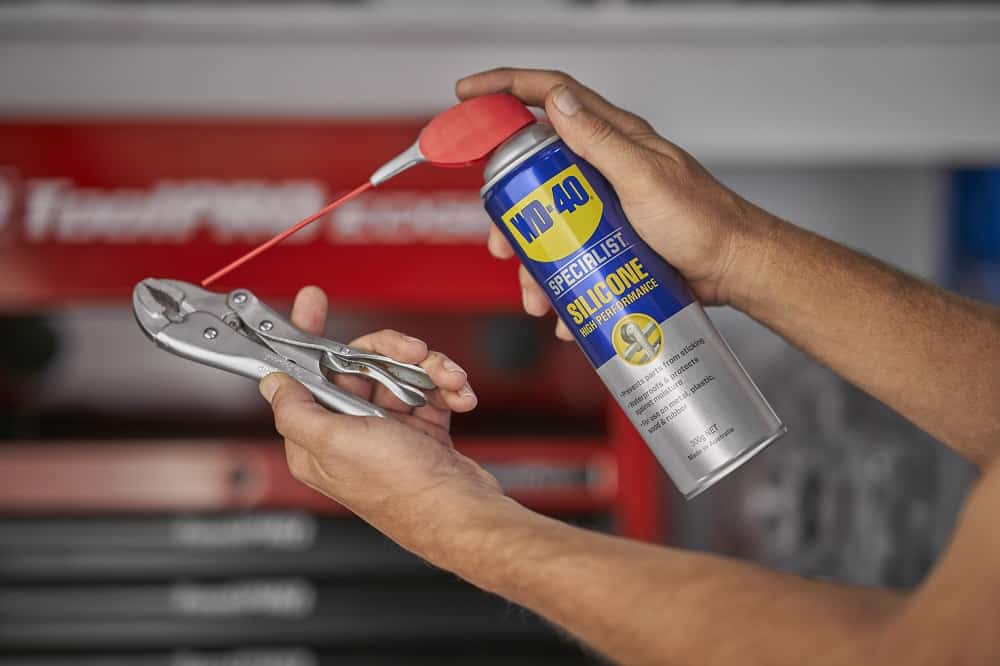
So, what is silicone lubricant used for? Silicone lubricants are suitable for use in numerous industries, including the automotive and marine industries. The spray is perfect for rust affected areas and around the house as well. Some typical applications of silicone lubricant include stubborn door hinges, chains, brakes and garage doors. An example of quality silicone lubricant is WD-40 High Performance Silicone spray. WD-40 provides a versatile solution to the type of problems automotive professionals encounter every day. WD-40 effectively lubricates and waterproofs.
As experts in all silicone applications, WD-40 is here to discuss silicone lubricant used for, how it works, when it should be used, and its applications.
How Does Silicone Lubricant Work?
When investigating what is silicone lubricant, it’s essential to understand how it works. Silicone lubricants are slippery by nature, and when mixed with solvent, they will evaporate after application. Silicone lubricants can lubricate almost everything, from bike chains to kitchen draws, locks and squeaky door hinges. Silicone lubricants work particularly well on items that are porous such as plastic parts.
When Should I Use Silicone Lubricant?
Now that we have discussed what is silicone lubricant and how it works, we’ll look at some silicone lubricant spray uses.
Silicone lubricant can be used anytime on most hard surfaces in all weather conditions; however, the best results are achieved in environmental conditions. Once applied, silicone lubricant enables more movement through the provision of lubricant liquids.
Silicone lubricant spray reduces friction between two objects and allows for better freedom of movement. When considering what is silicone lubricant used for, think of the classic example of a squeaky door hinge. When two metals have increased friction between them, it can limit the door’s movement and make an irritating sound when opened. Silicone lubricant can be used in this application to move freely by lubricating the surfaces and allowing for ease of movement.
What Is Silicone Spray Lubricant Used For?
There are two main silicone lubricant spray uses, including lubrication and waterproofing. Let’s look at each of these specific purposes in more detail.
Lubricates
Silicone spray lubricant is a versatile and convenient way of reducing friction between materials. As the name suggests, one of the purposes of silicone spray is to lubricate the space between two surfaces, allowing for better freedom of movement. It lubricates surfaces by preventing parts from sticking and binding. Silicone sprays can provide lubrication on several materials, from wood to rubber to metal.
Waterproofs
Another great silicone spray use is waterproofing. Most quality silicone lubricant sprays have waterproofing properties that can help prevent rust and other forms of damage to items such as tools, bikes, pipes, rubber seals, and more. By displacing moisture that can otherwise cause corrosion, silicone lubricants are perfect for waterproofing.
Protects
When thinking about what is silicone lubricant best used for, one doesn’t think immediately of protecting materials. However, silicone lubricant spray is a fantastic protective spray that will ultimately extend the life of your tools and equipment. Silicone lubricants prevent dust, sand and dirt from sticking to surfaces as it is not wet. The build-up of these residues on tools or machines can otherwise cause damage.
Silicone Spray Applications
Silicone spray lubricants are safe to use on various surfaces, including rubber, plastic, wood, vinyl, metal and more:
Rubber Applications
Silicone spray lubricant is safer to use on rubber and plastic. A silicone spray like WD-40 is excellent for rubber seals as it is safer for use on rubber and plastic, so it continues to seal correctly.
Metal Applications
Silicone spray lubricant lubricates metals that fasten together and move, including cables, bearings, springs, hinges, hoses, latches and much more. Silicone sprays are an effective way of lubricating metals from friction.
Wood Applications
Just one application of a silicone lubricant spray can condition items like wood and maintain their quality for longer.
Is Silicone Spray A Dry Lubricant?
When considering silicone lubricant, it’s likely that you’ll also come across silicone spray. Silicone spray and dry lubricants have essentially the same purpose, but they have some differences in their purpose. We will outline some of the differences between silicone sprays and dry lubricants below.
Silicone Spray vs Dry Lubricant: The Difference
The main difference between silicone spray and dry lubricant is that silicone spray is water repellent, whereas dry lubricant is not water repellent. Silicone Spray contains silicone, whereas dry lubricant contains PTFE.
Now that we have discussed some of the differences between silicone spray and dry lubricant let’s examine some of their similarities. Both silicone spray and dry lubricant are thin and transparent substances that evaporate rapidly and leave behind a dry film that can be buffed out. Both silicone spray and dry lubricant are suitable for numerous different materials, including; vinyl, wood, nylon, plastic, rubber and metal. However, dry lubricants are best applied on an interior application on items such as hinges and drawer slides. Silicone is better for plastic and rubber applications (non-metal), whereas dry lubricants are for metal.
Ultimately, both dry lubricant and silicone lubricant sprays are excellent at lubricating two surfaces that have friction restricting movement in them. A unique benefit of silicone spray is that it performs well in plastic and rubber applications. One distinct advantage of dry lubricant is that it does not leave behind an oily mess once the lubricant has dried.
The Benefits of WD-40 Spray
WD-40 is one of the best-known brands of high performing silicone lubricant sprays and dry lubricants. Now that you’re aware of silicone lubricant, you’ll be pleased to know that WD-40 sprays are safe to use in garages, repair shops and service centres. Additionally, most WD-40 products come with a convenient applicator to ensure that you can target the areas that require the most lubrication. You can purchase our high performance silicone spray from the WD-40 specialist range today.
